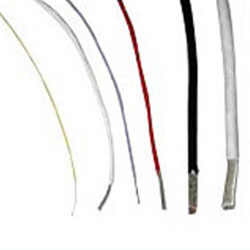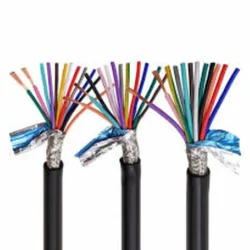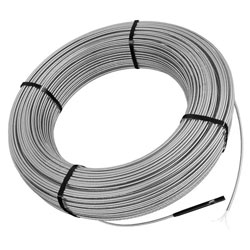
PTFE Insulated Multicore Wire
- home
- PTFE Insulated Multicore Wire Manufacturers
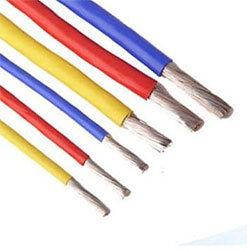
PTFE Insulated Multicore Wire Manufacturers
Modern electrical systems demand wiring solutions that can perform reliably even under extreme temperatures, chemical exposure, and demanding operating conditions. This is where PTFE insulated multicore wires prove their value. Designed for durability and electrical stability, these wires are widely used in industries where safety, precision, and long service life are essential.
As trusted PTFE Insulated Multicore Wire Manufacturers, we at Trestar Elektroniks manufactures high-quality multicore wires that deliver dependable performance across aerospace, defence, industrial automation, medical equipment, railways, telecommunications, and electronic manufacturing applications. Our commitment to quality and precision engineering enables us to provide wiring solutions that meet diverse industrial requirements.
What Are PTFE Insulated Multicore Wires?
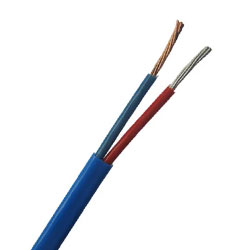
PTFE (Polytetrafluoroethylene) insulated multicore wires consist of multiple conductors enclosed within a durable PTFE insulation layer. PTFE is well known for its exceptional thermal stability, excellent dielectric properties, and outstanding resistance to chemicals, moisture, and abrasion. These characteristics make PTFE multicore cables ideal for installations where conventional insulated wires may not perform efficiently.
Why industries prefer PTFE Insulated Multicore Wires
Industrial environments often expose electrical cables to harsh operating conditions. PTFE insulation helps maintain consistent performance even when exposed to high temperatures or corrosive substances. Some of the major advantages include:
- Excellent heat resistance
- Superior electrical insulation
- High chemical and moisture resistance
- Low smoke generation
- Strong mechanical durability
- Long operational life
- Flexible installation for complex wiring systems
These benefits make PTFE insulated multicore wires a preferred choice for critical electrical applications.
Applications Across Multiple Industries
PTFE insulated multicore wires are used in sectors where dependable electrical transmission is essential.
Common applications include:
- Aerospace and aviation systems
- Defence equipment
- Industrial control panels
- Robotics and automation
- Medical and diagnostic equipment
- Railway electrical systems
- Power distribution equipment
- Communication and instrumentation systems
Why Choose Trestar Elektroniks?
Selecting the right manufacturer is crucial for ensuring product reliability and long-term performance. At Trestar Elektroniks, we focus on delivering wiring solutions that combine quality materials with precision manufacturing. Our strengths include:
- Advanced manufacturing processes
- Premium-grade raw materials
- Strict quality control procedures
- Reliable electrical performance
- Industry-focused product development
- Timely delivery and customer support
Every product is manufactured with attention to consistency, safety, and performance, helping customers achieve dependable results across various applications.
Quality That Supports Long-Term Performance
Electrical cables are a critical component of every system, making quality an important consideration. At Trestar Elektroniks, our manufacturing approach emphasizes precision, durability, and consistent product performance. We continuously strive to provide PTFE insulated multicore wires that meet the evolving demands of modern industries while maintaining high manufacturing standards.
FAQs – Frequently Asked Questions
They are used for electrical connections in industries such as aerospace, defence, industrial automation, medical equipment, railways, telecommunications, and instrumentation where reliable performance is essential.
PTFE offers excellent heat resistance, superior electrical insulation, chemical resistance, moisture protection, and long service life, making it suitable for demanding industrial environments.
Can PTFE insulated multicore wires operate in high-temperature conditions?
The selection depends on factors such as operating temperature, voltage rating, number of cores, flexibility requirements, installation conditions, and application-specific needs.